
Dresher Ensemble Artist Residency 2026 Awards
Briana Marela Lizárraga – Teo Lin-Bianco – Erin Yen
Moe Staiano – Johnny Huy Nguyen – Jacqui Sutton
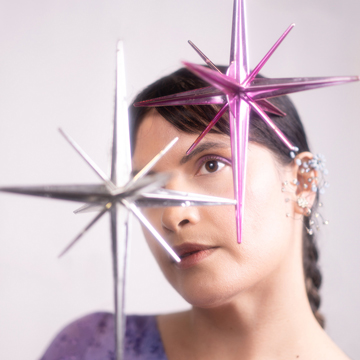
Briana Marela Lizárraga
Nascent
Nascent is a multidisciplinary experimental live music performance featuring and led by Briana Marela Lizárraga. It explores the anticipatory grief surrounding the loss or transformation of personal and artistic identity that may accompany becoming a mother. In preparation for this life transition, Briana seeks to heal the broken parts of herself to become the kind of parent she aspires to be.
By confronting the shadow self, exploring family trauma, breaking cycles, and facing her own mortality, the work weaves a narrative through experimental song and technology-enhanced gestures and props. Building on an established body of solo electroacoustic work for voice and electronics, Briana is expanding the project into a theatrical setting that incorporates gesture-controlled stage lighting and art direction by close collaborators Joel Skavdahl, a visual and video artist; Asenath Lizárraga, a visual artist; and Brendan Glasson, a musician and audio engineer.

Teo Lin-Bianco
2000
2000 is an interdisciplinary dance work developed through community-based movement workshops with people who have lived experience with eating disorders. Inspired by Bill T. Jones’s Still/Here, the project centers the physical and emotional realities of illness and recovery, using accessible movement scores as source material for the choreography.
The work examines fixation on numbers, particularly the culturally prescribed “2,000 calories a day,” and patterns of restriction. A large, human-scale wooden hamster wheel serves as the central architectural element, symbolizing cycles of compulsion and the illusion of forward motion. The final performance will include a brief documentary about the community workshops followed by the dance work, which will be exactly 20:00 minutes long.
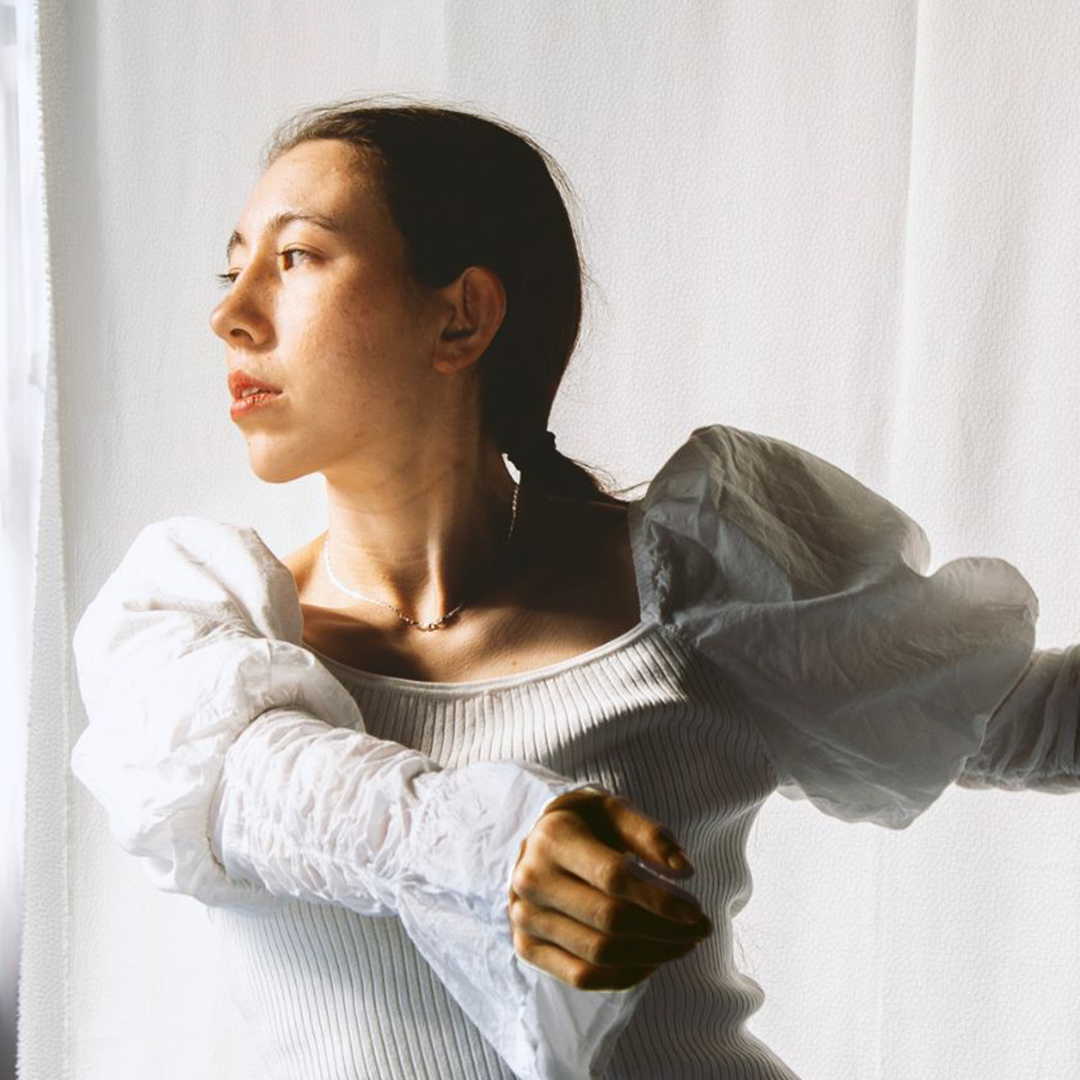
Erin Yen
Nervous: Inside
Nervous is a 30-minute contemporary dance work by Dragons Dance/Erin Yen exploring how the nervous system shapes our relationship with an overstimulating, information-saturated world. Developed with seven dancers and collaborators in neurology and sound design, the work translates neurological processes into movement: continuous flow, subtle shifts, and complex patterns.
Nervous premieres for the proscenium stage at ODC’s State of Play Festival in August 2026. A Dresher Ensemble residency will support the next phase of development, Nervous: Inside—integrating set elements, video projection, and lighting design to deepen the work’s environment and expand how audiences perceive its structure and meaning. The residency culminates in a public showing where individuals step inside this dance work, rather than view it from the outside.
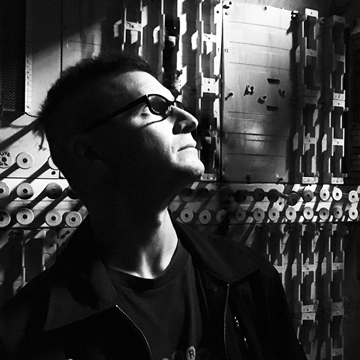
Moe Staiano
Music for Large Guitar Ensemble: This Sound Is Better Than America
Music for Large Guitar Ensemble: This Sound Is Better Than America is a newly composed work for a large, 20-piece guitar ensemble that will also include bass, drums, percussion, and anti-ICE whistles. Conceived as a full-scale production, the work will be presented as part of the 2027 San Francisco International Arts Festival, with additional performances planned.
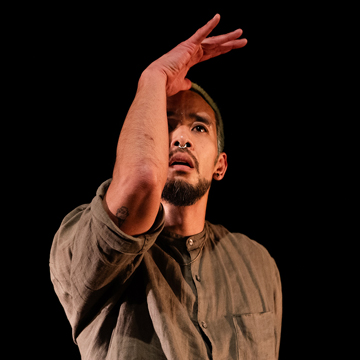
Johnny Huy Nguyen
BURN
BURN is an experimental dance-theater solo and ritual that reclaims fire as a regenerative force for renewal and rebirth. Envisioning dance as an act of self-immolation, BURN confronts the legacies of war, forced displacement, and family violence held within the body, setting them ablaze to illuminate pathways toward healing and transforming old wounds into ash from which new growth can emerge.
The performance combines movement and dance with text, projection, and installation to conjure a space of catharsis amid global conflicts and within a country that is literally and figuratively on fire.
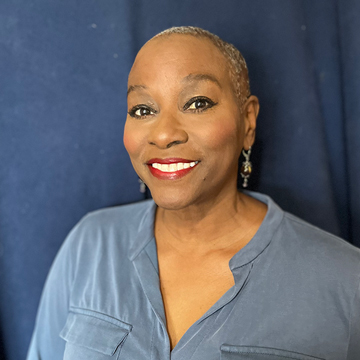
Jacqui Sutton
Turnstiles
Turnstiles is a music-theater work that reimagines the 1898 Wilmington, North Carolina, Race Massacre—the only successful coup d’état in U.S. history. The piece alternates between scenes set in Wilmington in 1897 and 2008 and four operatic “whitelash” cycles that force characters to embody historical patterns of coalition-building and racial violence.
Scenes from 2008 show residents debating a memorial to the massacre, while 1897 scenes depict people witnessing these cycles and choosing whether to change their futures. The soundscape centers on Sutton’s “Frontier Jazz,” echoing Wilmington’s post-Reconstruction fusion politics. Visuals blend Steamfunk and Steampunk, marking shifts between 2008 and Victorian Wilmington. The intent of the recurring cycles is to build cultural antibodies to white supremacy.